Between Wakefulness and Dreams
The light goes down. Darkness.
Are we awake? Asleep? Somewhere in between?
This edition of Minds in Motion blurs the boundaries from the very first moment: wakefulness and dreams, reality and imagination, science and art. And once you’ve crossed that threshold, can you come back unchanged? Probably not.
Opening The Doors
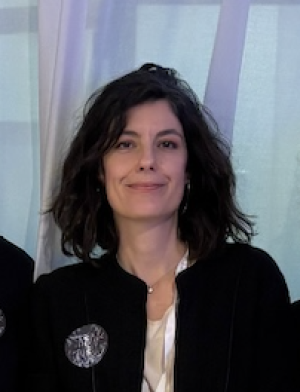
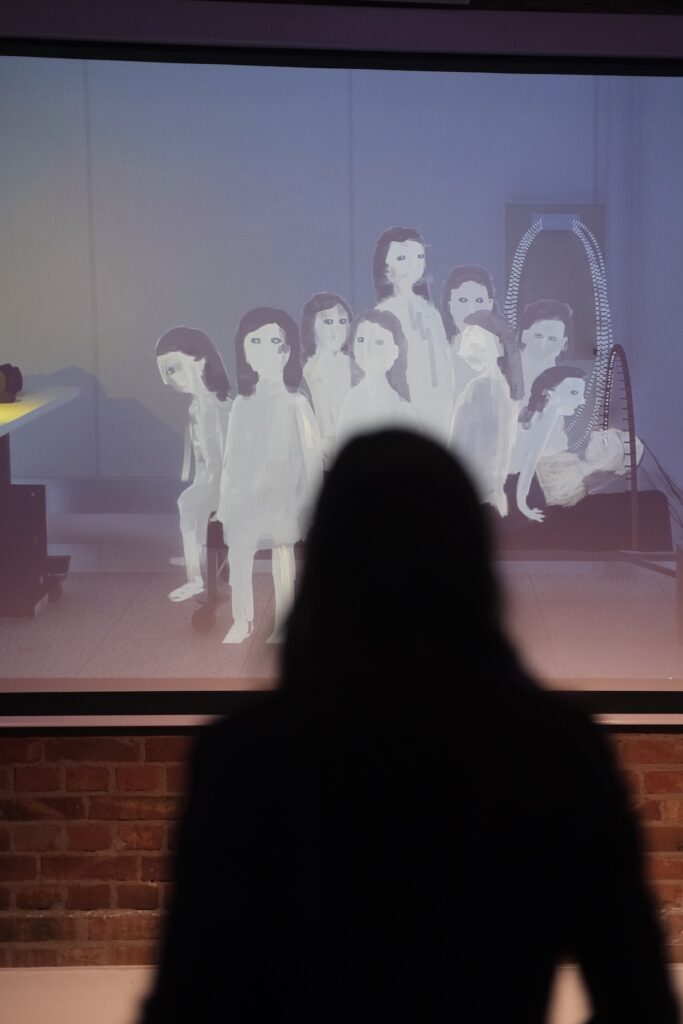
How would you represent your dreams? Like some impressionist scenes? Labyrinthic quests in liminal spaces? Surreal glitches in daily life? Minds in Motion 2026 starts with this introspection with a multimedia installation by Paula Abalos, “Apariciones.” This work is rooted in dream laboratory studies, where scientists use software to communicate with sleepers in real time, investigating the phenomena that emerge within them, such as lucid dreaming, out-of-body experiences, and hypnagogic hallucinations, blurring boundaries between imagination, objectivity, and subjectivity.
The lights dim, and our host, Lori Baldwin makes her entrance.
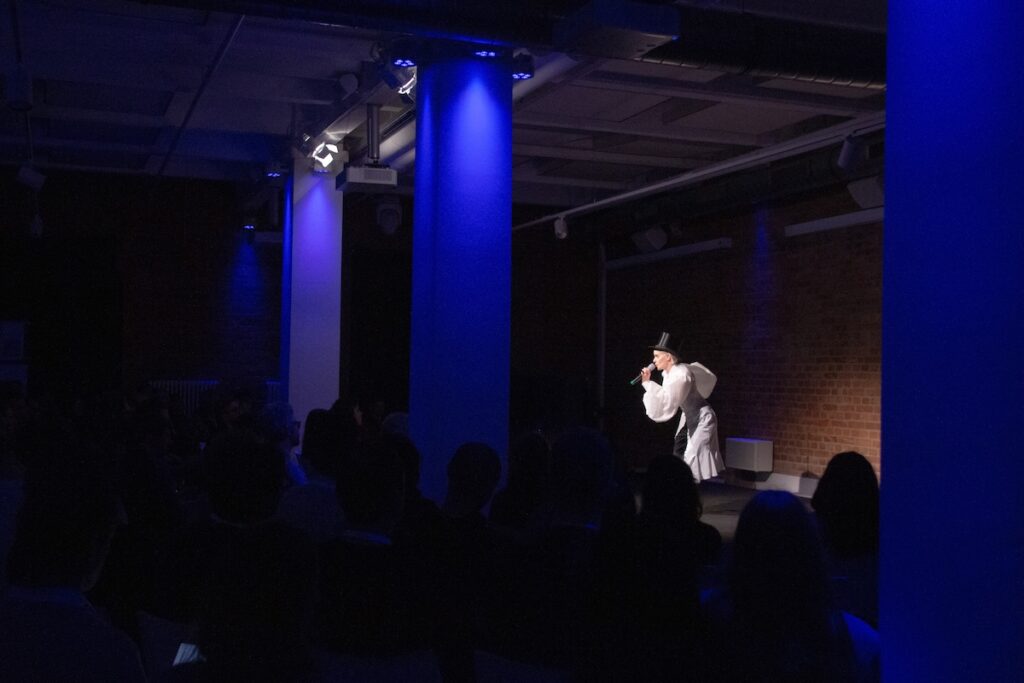
She is the Dream Weaver. She’s taking us along in this oneiric journey through our collective subconscious. We open doors in the mind, some that we close back immediately, some that invite us to reflect on transformative personal stories, and some behind which sensorial experiences await.
Sitting on those chairs, close to the Spree, the question is thrown: “Could we be somewhere else?”
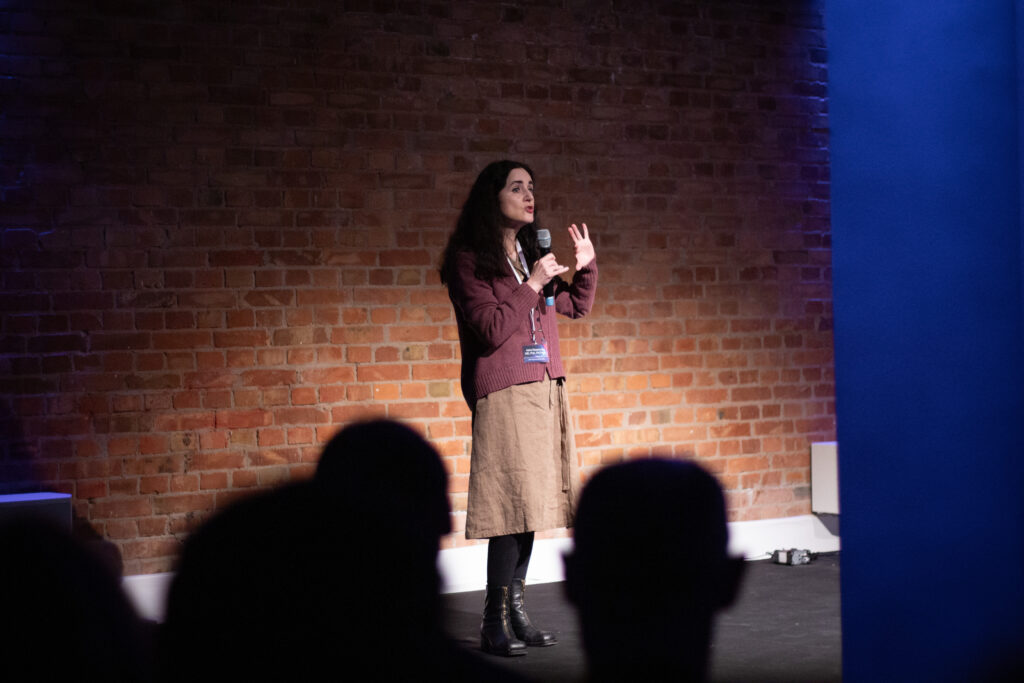
A first door opens, and Dr. Ivana Rosenzweig is on stage. She sheds light on the latest research projects she and her team at the Sleep and Brain Plasticity Center are working on. How sleep itself, through the brain’s mini sci-fi-like dream scenarios, can actively support our mental health, contribute to trauma recovery, and how sleeping rhythms shape our memory and states of consciousness.
Now that we’ve explored the depths of sleep (or were they peaks?), we blink, and suddenly we are preparing for a cosmic journey with artist and musician Nahum, founder of the KOSMIKA Institute.
Enveloped by primordial voices and eerie live music and carried away by Nahum’s hypnotic voice, we leave our bodies, take off, and fly through space until we contemplate Earth from above. As our feet remained anchored in the ground, our souls jumped into the cosmos. When we land back from this astral trip, we stretch; we look around, almost surprised to be here and maybe already a bit different.
“What had to happen for you to be here?” The question is still floating in the theremin’s echoes.
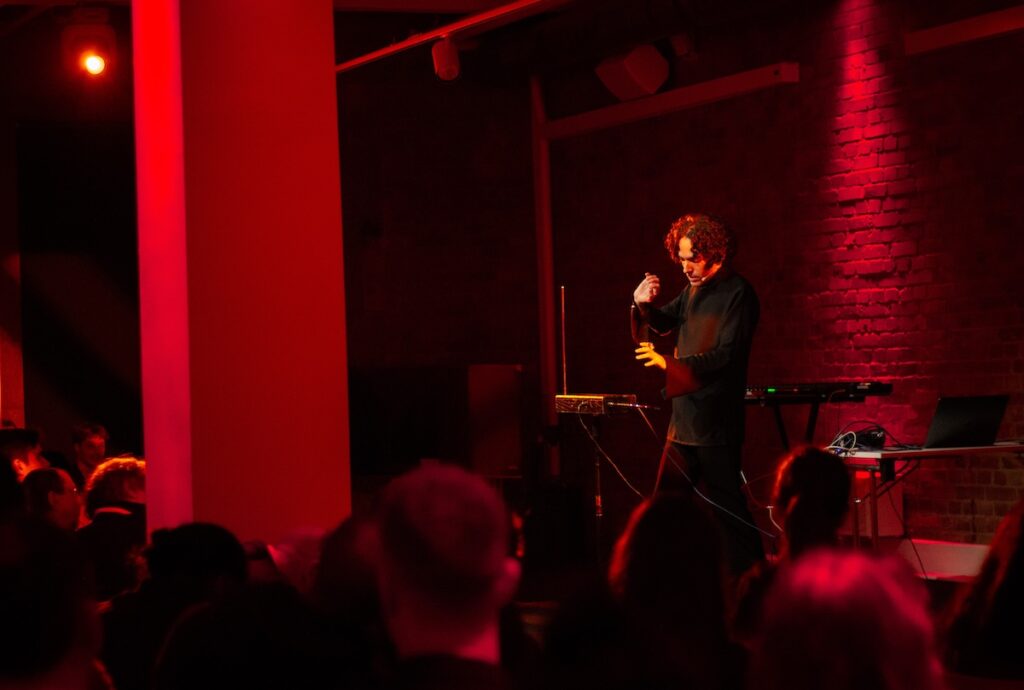
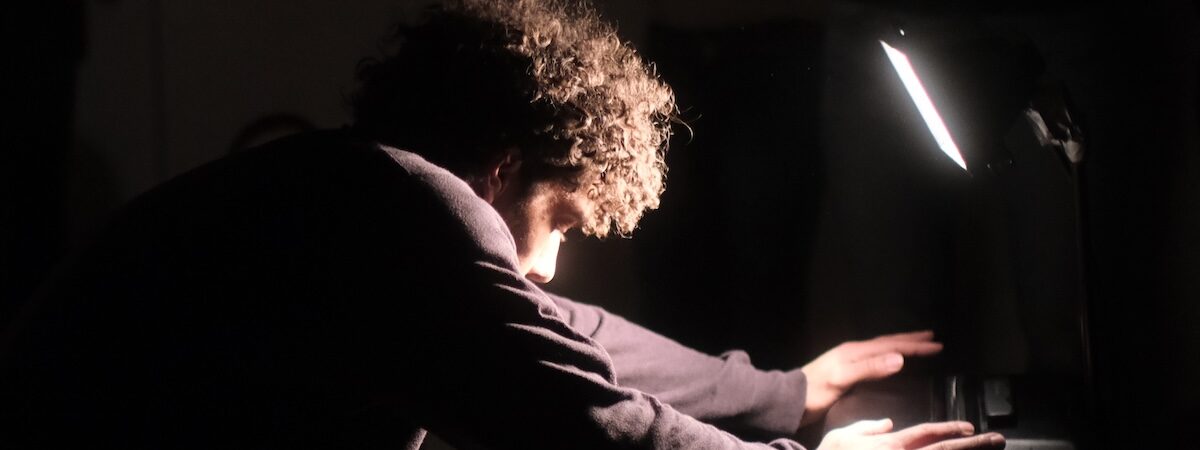
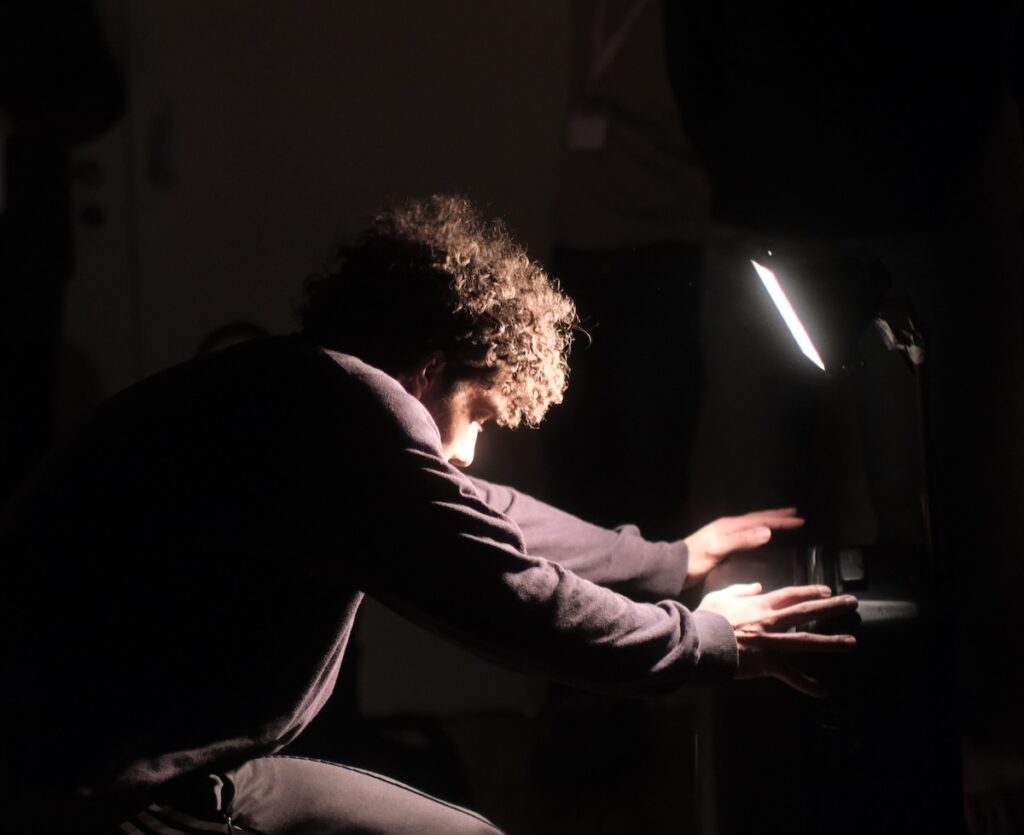
Barely back from the vastness, we are now gathering around the body of dancer Patric Neves Lindstrom coming to life in a narrow frame. Contortions, convulsions. We are hypnotized once more, eyes wide open this time, in the vital light of a blinding sun, to the beat of a heart pounding in our ears, wrestling in our artificially lit world.
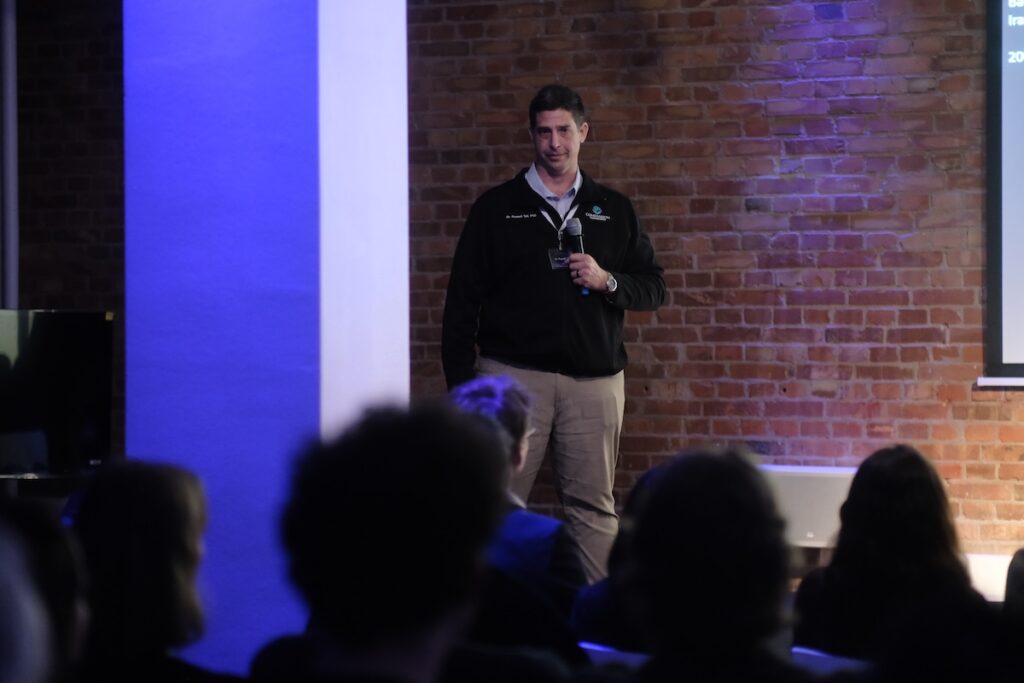
Darkness falls again. Another door sheds a burning light: one from the Diyala River Valley in Iraq, where neuroscientist, engineer, and U.S. Army veteran Dr. Russell Toll fought. Now founder and Chief Science Officer of the Compassion Neurohealth Center in Texas, he shares his story of finding meaning in this traumatic experience and the stories of those who find incredible resilience in their own “Why.”
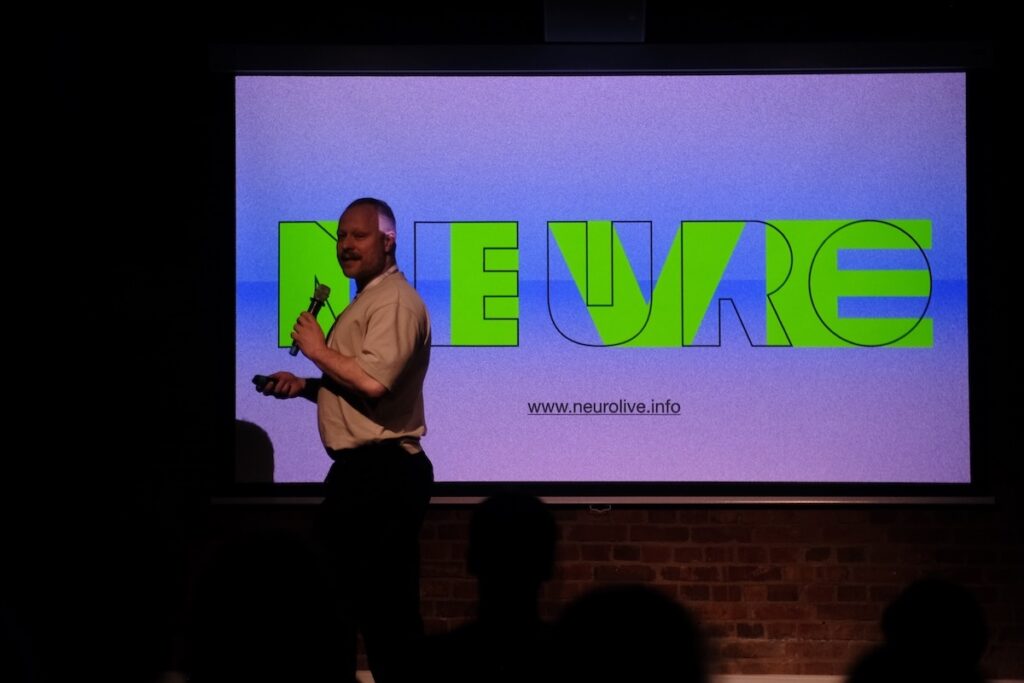
Last stop of the trip in the crossroads between dreams, art, and science with Pr. Guido Orgs, researcher in cognitive neuroscience of dance and the performing arts. And still this question comes under another form: “Why are we here today? ”
During this live evening, he’s taking us with him through the retrospective of the 5-year project Neurolive, a paramount expression of how art and science can interact and feed each other.
Back to one reality
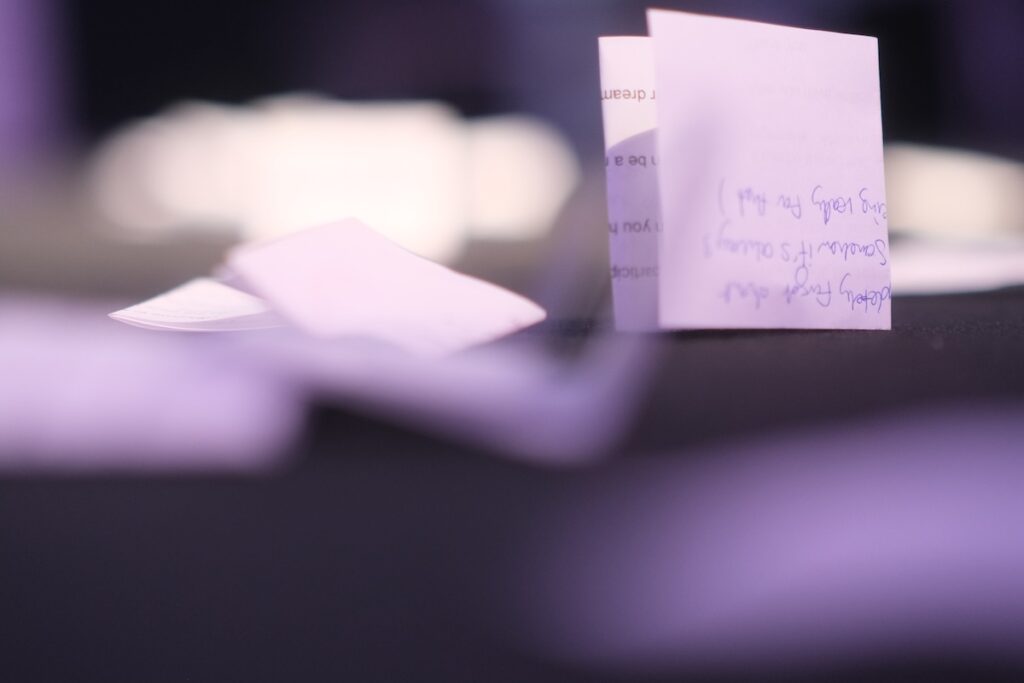
This inspiring dream is coming to an end, and what better closure than a peek into those actual dreams that the audience wrote down on paper before the event? Indecipherable, unreal, or down-to-earth, as our host read them aloud, we drew a little closer together.
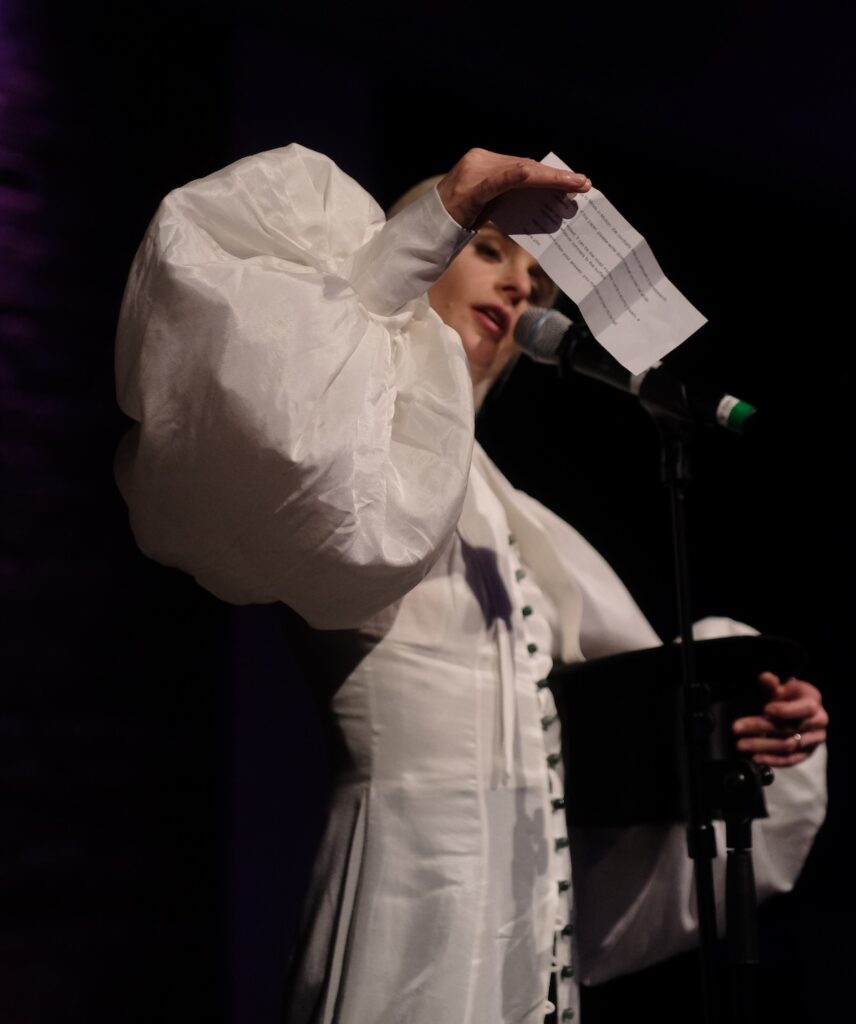
We come back from this journey with a changed perception. Minds in Motion 2026 ends in conversations inevitably enriched by interdisciplinarity and the unexpected when we all come back together and everything has subtly shifted.
“Did you find somebody else’s dream? ” Lori asks. Yes, I did: “Investigate and decrypt the language of the brain.” Well, at least that dream is on its way to becoming real.
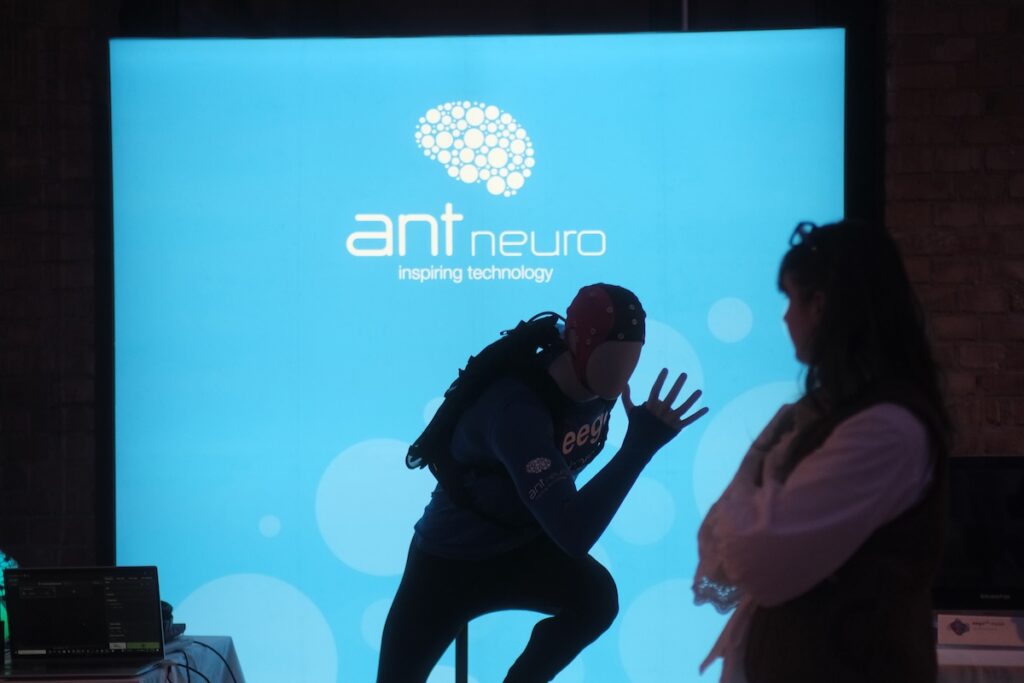
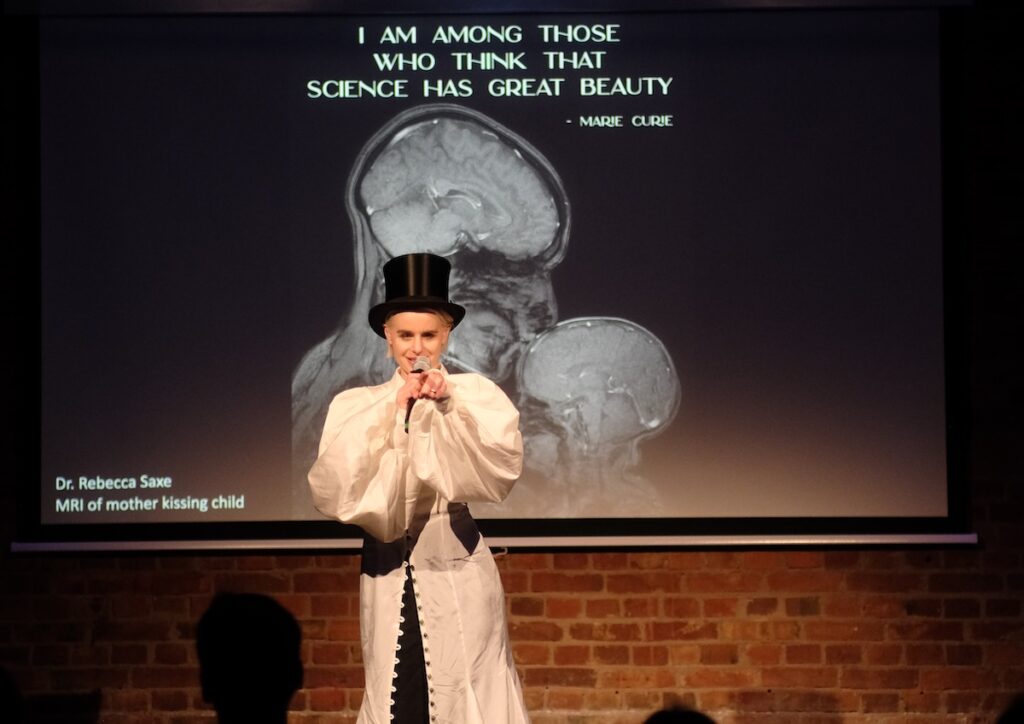
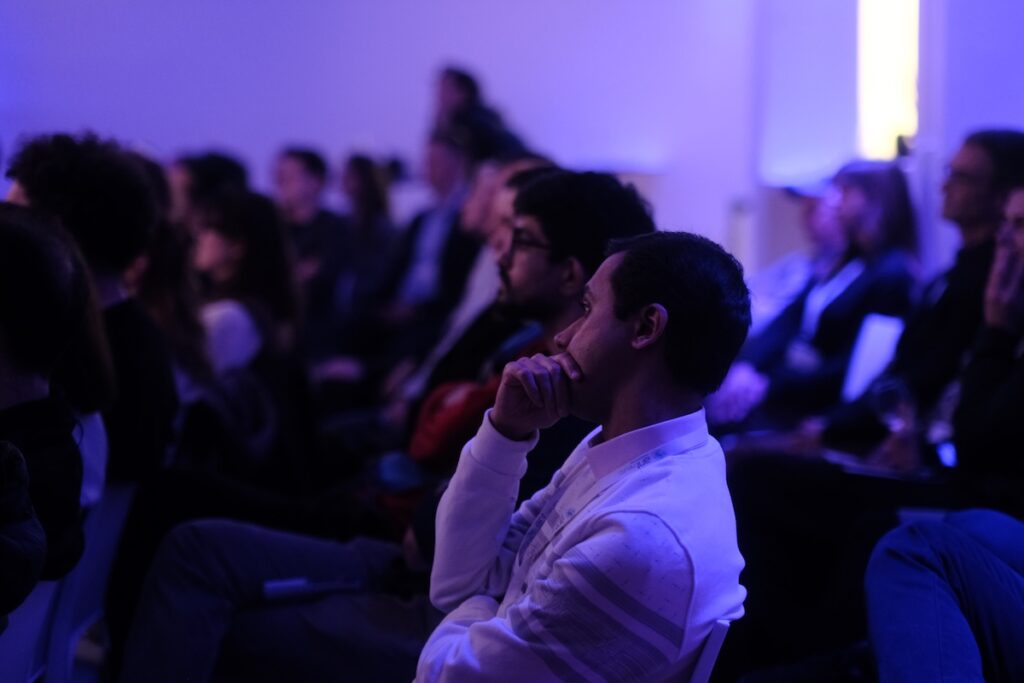
Thank you to Lori Baldwin, Paula Abalos, Dr. Ivana Rosenzweig, Nahum, Patric Neves Lindström, Dr. Russell Toll, and Dr. Guido Orgs for this transformative journey. Thanks to co-host ANT Neuro.
To learn more about upcoming EDGE events where neuroscience, art, and technology intersect, subscribe to our newsletter.
Meet the Artists
Paula Ábalos is a Chilean visual artist based in Leipzig, Germany. Working primarily with experimental video alongside installation, animation, sound, and performance, her practice blends documentary, fiction, and poetic elements to create immersive narrative experiences. Her research explores labor, rest, and liminal states between wakefulness and sleep. Her work has been presented internationally at museums and festivals, including the Museum der bildenden Künste Leipzig, VIDEONALE Bonn, Kassel DOK Fest, and LOOP Barcelona, and has received several awards for her video and film projects.
@paulaabalos
Nahum is an artist and musician focused on challenging our perceptions through unusual perspectives. He produces works that reframe the way we engage with the universe with a wide range of media. He founded the KOSMICA Institute, a space organisation focused on the cultural discourses of space activities and their impact on Earth. Nahum’s work has been exhibited in countries such as the USA, Canada, Mexico, Argentina, Germany, UK, France, Sweden, Russia, Australia, Taiwan, China, Japan, and Brazil.
@nahumartist
Patric Neves Lindström is a freelance performing artist with Brazilian and Swedish roots, born in Copenhagen. His background spans capoeira angola, athletics, urban dance, painting, and contemporary performance. His practice bridges dance, physical theatre, and movement research, shaped through training and collaborations across Europe, the Americas, and beyond. Patric has worked with a range of choreographers, directors, and dance institutions, and his work reflects a sustained commitment to exploring movement as a tool for expression, connection, and change.
Meet the Speakers
Dr. Ivana Rosenzweig, PhD, MRCPsych, FRCPsych | King’s College London: Dr. Rosenzweig is a neuropsychiatrist and researcher specializing in sleep, brain plasticity, and mental health. Head of Sleep and Brain Plasticity.
Prof. Dr. Guido Orgs, PhD | Institute of Cognitive Neuroscience, University College London: Dr. Orgs is a former professional dancer turned neuroscientist; he studies how the brain perceives movement, synchrony, and performance.
Dr. Russel Toll | University of Texas Southwestern Medical Center: Dr. Toll is a veteran and assistant professor of psychiatry at the University of Texas Southwestern Medical Center, where he researches mood disorders as well as addiction. Founder of compassionate neuroscience: TMS for veterans with PTSD.