Insights from five directors of short films shown at Berlin Science Week 2024.
Introduction
Mental health in storytelling presents filmmakers with both profound challenges and opportunities. Balancing accuracy, empathy, and creativity requires careful navigation to avoid sensationalism or trivialization. This delicate intersection of art and mental health was explored through five thought-provoking films showcased on November 9th as part of Berlin Science Week, an event hosted by Edge Neuroscience & Art.
These films, Echter Mann by Vinsley, Rain by Johannes Stjärne Nilsson, Terminally Happy by Adina Istrate, Analysis Paralysis by Anete Melece, and GRIMMS MEISE by Corinne Le Hong, each offered a unique angle into the complexities of mental health. These filmmakers tackle universal questions about vulnerability, healing, and human connection. In this post, they share their experiences, challenges, motivations and inspirations, on how their art and particularly film can improve empathy for mental health.
Theme 1: Challenges in Balancing Creative Storytelling with Mental Health Realities
Corinne Le Hong explains the importance of respecting mental health conditions within a character-driven narrative. “I tried to avoid bending the protagonist’s mental condition to fit dramatic requirements,” she notes. This ethical restraint was easier in her short format film but would be more challenging in a longer piece. “I feel it’s an ethical obligation not to use mental health issues merely as a device,” she emphasizes.
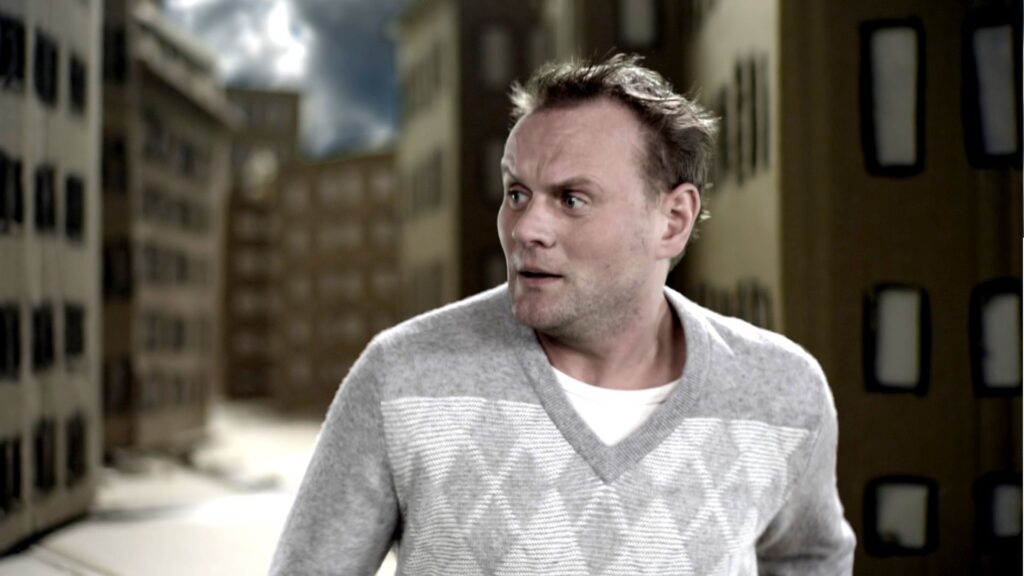
For Vinsley, the transition from commercial work to narrative filmmaking to explore complex emotions brought its own challenges. His short film Echter Mann reflects a deeply personal journey inspired by his struggles with depression and vulnerability as a young Afro-German man. “Just talking wasn’t always enough for me during therapy,” he shares. The film became a healing process and an opportunity to connect with others facing similar challenges.
Adina Istrate echoes the sentiment, sharing that while her film Terminally Happy has a sci-fi element, it’s rooted in her personal experiences with grief and depression. “One challenge was finding a way to ‘externalize’ an inner struggle for audiences to see and resonate with,” she says. This balance required several rewrites, eventually blending an active character with a passive, introspective journey.
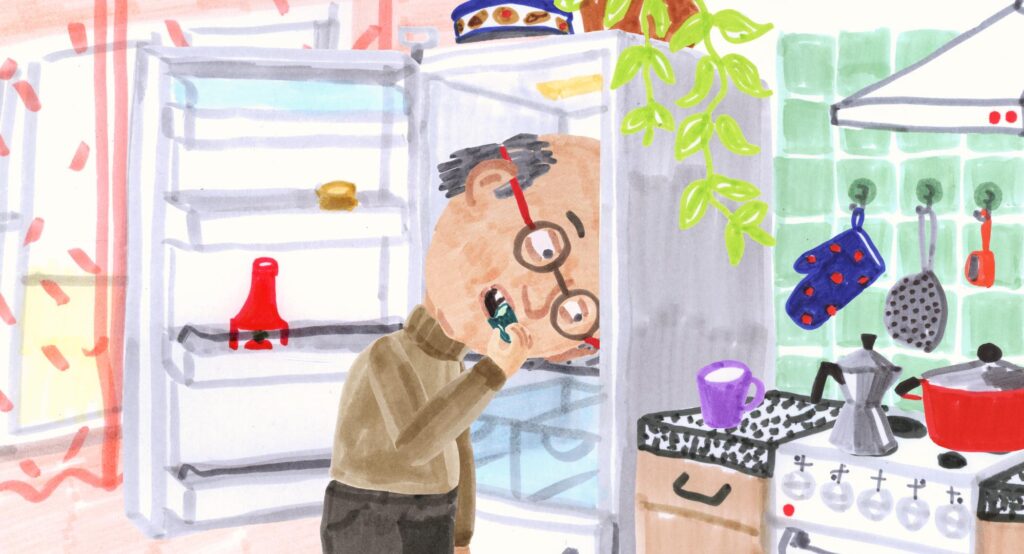
Anete Melece approaches the challenge differently in her animated film, Analysis Paralysis. With humor and a loose personal portrayal, she embraces the exaggerated traits of her main character, whom she suspects shares her own struggles with Inattentive ADHD. For her, maintaining authenticity meant focusing on her own experiences rather than strict medical accuracy.
Theme 2: Ethical Responsibilities and Avoiding Stigmatization in Portrayal
Adina Istrate highlights the ethical responsibility filmmakers have to avoid stigmatizing or sensationalizing mental health. “There’s an undeniable history of stigmatization in the way mental health has been depicted on screen. We have a moral duty to correct course and not propagate these stereotypes,” she asserts, emphasizing the importance of responsible storytelling.
Vinsley, through Echter Mann, sought to address stigmas surrounding vulnerability and therapy, particularly for men of color. The film presents therapy not as a weakness but as an act of strength and self-discovery.
Anete Melece adds that different mediums require different levels of sensitivity. In animated films, the abstract nature of the art form naturally mitigates some ethical risks, while in documentaries, a respectful approach to the subject and those affected is crucial.
Corinne Le Hong aligns with this view, underscoring that using mental health conditions solely to serve plot needs is exploitative. She insists that character-driven authenticity must take precedence over sensationalism.
Theme 3: The Role of Research and Consultation in Building Accurate Portrayals
Corinne Le Hong and Adina Istrate both emphasize the value of research and professional consultation. Le Hong immersed herself in the clinical environment and consulted psychiatrists to gain insights into schizophrenia, which deepened her understanding and shaped her character portrayal authentically. “Spending time in a clinic allowed me to understand the inner and outer circumstances my character would face,” she reflects.
For her psychological drama Eve, Adina Istrate consulted space mission psychologists to understand the psychological pressures of astronauts. Supported by the Wellcome Trust, she developed nuanced character profiles and realistic conflict dynamics. “Without these insights, I would’ve probably landed in a very different place with the story and characters,” she notes, emphasizing the transformation research brought to her narrative.
Anete Melece chose a more introspective approach for Analysis Paralysis, observing herself to inspire her character’s quirks. However, she notes that a more research-intensive approach would be required for an educational project.
Theme 4: Art as a Common Ground Between Patients, Professionals, and Audiences

Adina Istrate sees art as a “multi-purpose tool” for bridging the emotional and intellectual worlds of patients, scientists, and medical professionals. “Art can deliver information in a digestible way, helping patients feel understood and supported while also giving professionals a tool to communicate complex topics,” she says. This aligns with her vision of art as a connective medium, helping diverse groups empathize and learn from each other’s experiences.
Vinsley also sees art as a universal language for connection. Anete Melece agrees, adding that art might not always create a “common ground” but can certainly enrich conversations about mental health by offering an alternate language to explore complex issues.
Theme 5: Personal Healing and Transformation Through Filmmaking
For Johannes Stjärne Nilsson, filmmaking has been a form of personal healing, particularly after the tragic loss of his sister to drowning. In his film Rain, he draws on his grief and the symbolic power of water to create a lingering state of sadness and contemplation. “Salt water, as in tears, and as in a universal, eternal, and beautiful burial ground of my sister” he reflects, pointing to how the film became a tribute to his sister and a way to process his loss.
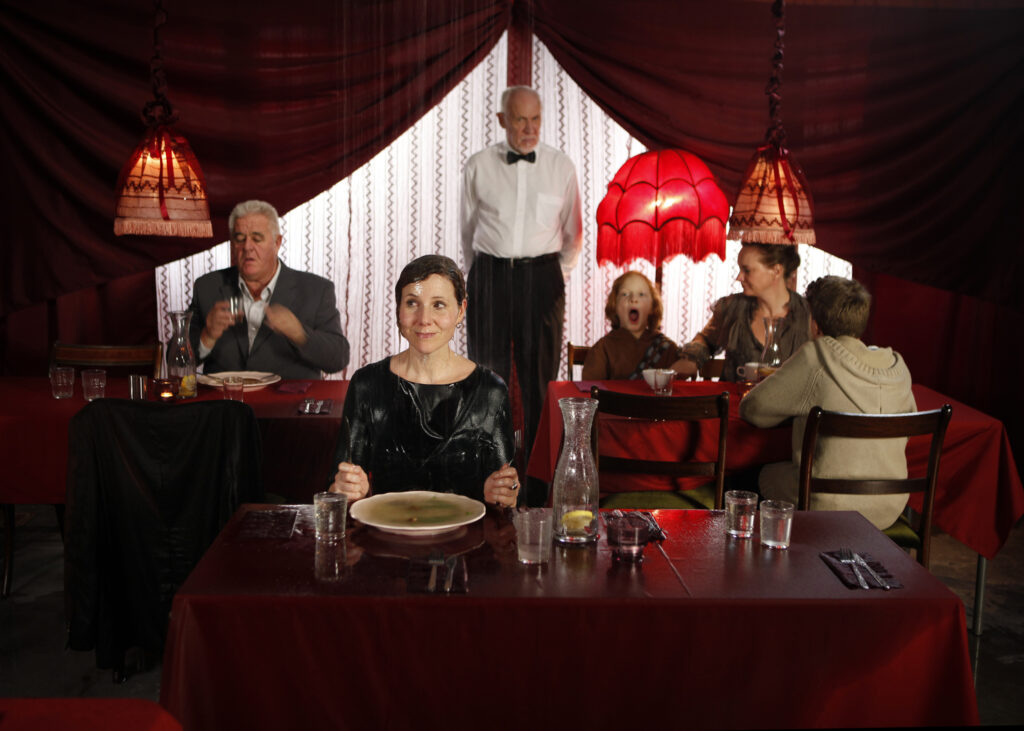
In Man Without Direction, Nilsson similarly draws from his own experiences, exploring self-loathing and existential crisis with humor and surrealism. He describes the film as a “testament of love” to himself during a difficult time, illustrating how filmmaking can serve as a tool for self-reflection and resilience.
Filmmaking as a Mirror and a Bridge
Each of these filmmakers offers a unique lens on the intersection of art and mental health. From Corinne Le Hong’s ethical sensitivity to Johannes Stjärne Nilsson’s self-healing journey, their stories reflect the power of film to not only depict mental health issues but to increase empathy, understanding, and personal growth. Grounded in research and personal experience, these films collectively invite audiences to look inward, connect, and appreciate the complex interwoven realities of mental health.
